The ‘Brain-Bright’ Plate: Foods That Help Kids Stay Focused Through Winter and Beyond
By Dr. Tanya Altmann, Pediatrician & OmniActive Lutein for Every Age Spokesperson
Winter brings shorter days, colder weather, and more time spent indoors—all of which can quietly affect kids’ focus, sleep, and mood. With less daylight and increased screen time, many children experience disrupted routines and more mental fatigue during the winter months. While this season is meant to feel cozy and calm, these shifts can make it harder for kids to stay attentive, emotionally balanced, properly fueled, and ready to learn.
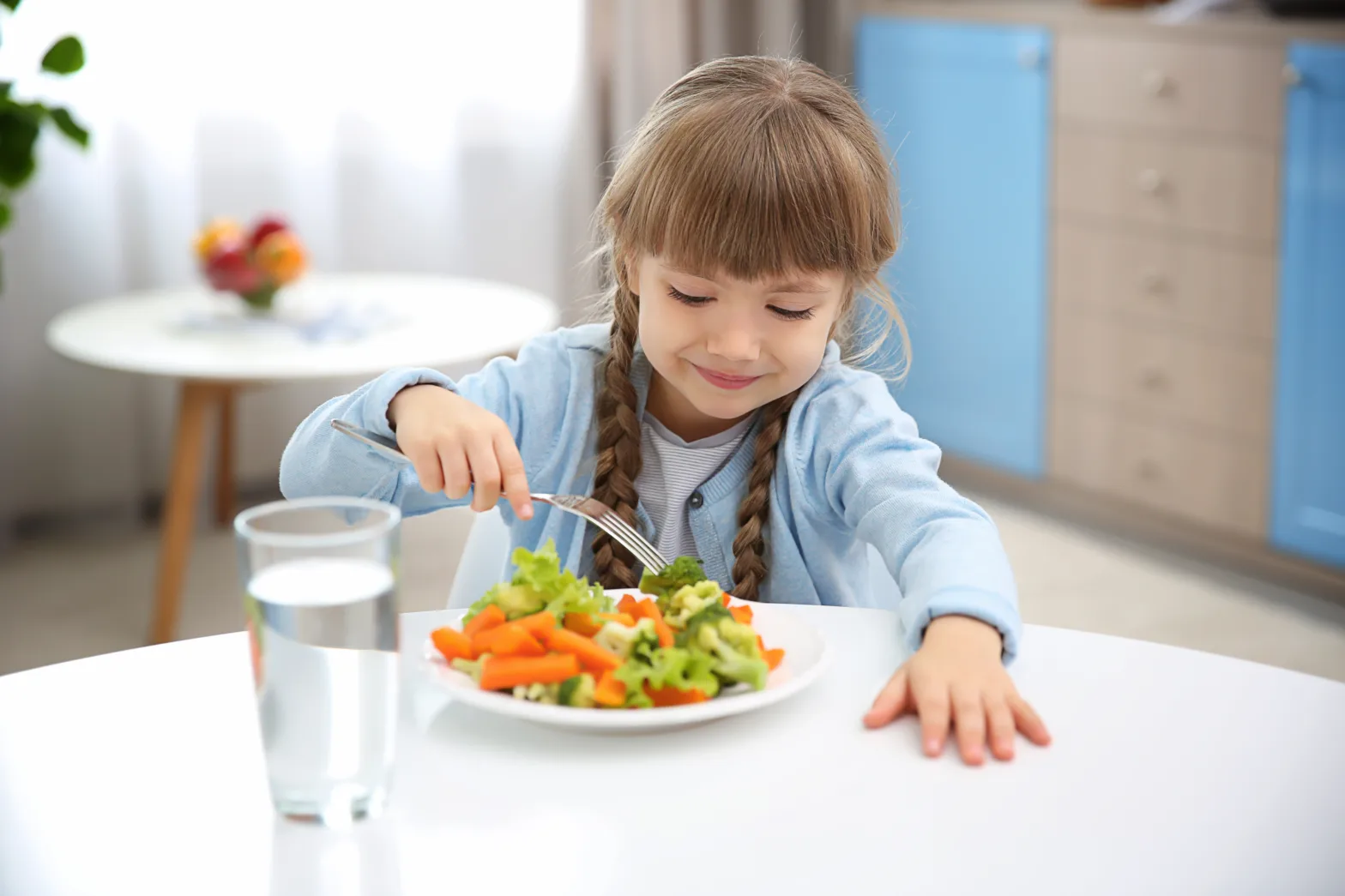
One of the most effective ways parents can support their child’s wellness during this time is through what I call the “brain-bright plate”—a nutrient-rich approach to meals and snacks that help with attention, memory, and learning. A “brain-bright” plate consists of wholesome foods that are packed with
lutein and
zeaxanthin, two plant-based nutrients essential for visual development, cognitive performance, and protection from blue light.
Lutein and Zeaxanthin: Key Nutrients for Growing Eyes and Brains
Many people think of lutein only as “the eye nutrient,” because lutein and zeaxanthin help filter blue light and support healthy vision. However, they are also beneficial for the brain as they are found in areas of the brain involved in memory, learning, and attention. Regular lutein intake has been linked to academic performance and neural processing, giving children an edge in their cognitive growth. (1) This becomes especially important when kids spend more time indoors on digital devices.
Blue light exposure is more than just eye strain. According to Harvard researchers, while any kind of light can suppress melatonin, blue light at night does so, twice as powerful. In a study comparing 6.5 hours of blue light to green light of equal brightness, blue light suppressed melatonin for twice as long and shifted circadian rhythms by three hours—double the shift seen with green light. (2) This could mean it becomes significantly harder for kids to fall asleep and stay on a healthy sleep schedule. And kids are also more vulnerable than adults. In fact, children’s eyes don’t filter blue light as effectively, which may increase the likelihood of nearsightedness, difficulties with attention, and disruptions in melatonin release. That’s why it’s important to limit screen time, especially in the evening, and to have kids put devices away at least 30 minutes before bedtime.
Easy Ways to Add Lutein-Rich Foods to Kids’ Winter Meals
Here are simple ways to weave lutein- and zeaxanthin-rich foods into your family’s everyday meals—even during a treat-filled season.
First, always have a nutritious breakfast. Scrambled eggs (egg yolks are a top source of lutein) or a spinach smoothie are easy wins. A “Glow Green Smoothie” with spinach, frozen mango, banana, and yogurt is a kid’s favorite—and they won’t taste the greens.
Snacks can be very easy way to slip in nutrients where otherwise they might be lacking. Before giving cookies or candy, offer bell pepper with hummus, kiwi or grapes, air-popped popcorn with parmesan, or avocado on whole-grain crackers. Keeping a bowl of fruit and easy-to-grab veggies on the table increases the chances kids choose them first. And remember, it’s so important to cut foods into bite-size pieces and avoid popcorn for those four and younger to avoid choking hazards.
For dinner, try winter soups, quesadillas, and pasta dishes with leafy greens like kale or spinach. Stirring chopped leafy greens into mac and cheese is a simple trick that delivers nutrients without complaints.
While food is the best place to start, most children only get about 20% of the recommended daily amount of lutein and zeaxanthin from diet alone. That’s where thoughtful supplementation can help. Ingredients like
Lutemax Kids (for children) and
Lutemax 2020 (for teens and adults) are clinically studied, making them excellent options for filling nutritional gaps, especially for picky eaters or families with busy, unpredictable schedules.
Winter is a season of adjustment, and small habits can make a meaningful difference. Filling plates with colorful fruits, vegetables, eggs, and smart snacks helps support kids’ focus and emotional resilience, even on darker days. And just as we reach for immune support during winter, the right vitamins and supplements can help keep growing eyes and brains supported from start to finish.
References:
- Lutein Benefits for Children: What You Need to Know
- What is blue light? The effect blue light has on your sleep and more.